
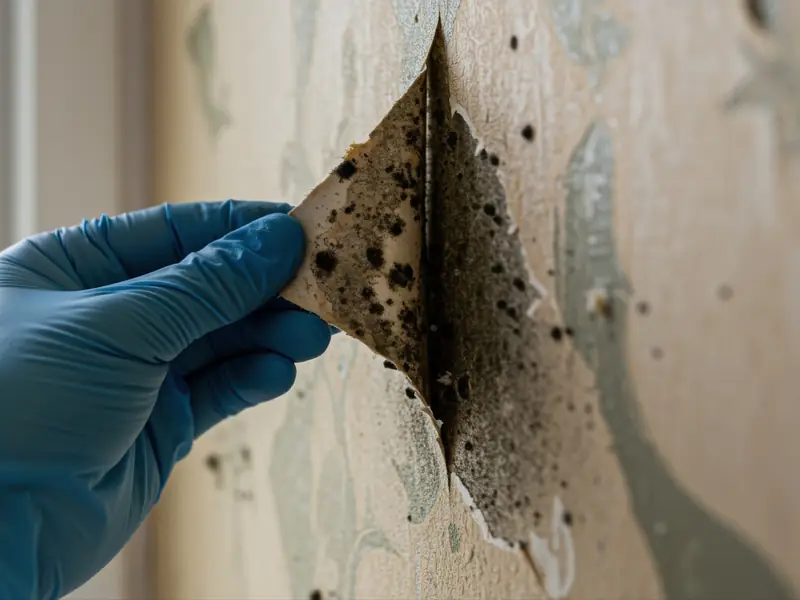
What we check
We start with a walk-through, then use moisture readings and thermal imaging to find damp spots hidden behind walls and ceilings.
When the source is not clear, air sampling and surface testing show whether spore levels are high and what types are present. That tells us if the problem is in one spot or spread out.
Where mold tends to start
Kitchens and bathrooms collect humidity from daily use. Basements and crawl spaces hold damp air when drainage is poor. Clogged HVAC filters and dusty ducts can carry spores around the house.
Why the inspection comes first
Without knowing where moisture starts, what it reached, and how far spores traveled, removal only treats the surface. Our findings guide containment, air filtration, and which materials need to come out.
Common questions
What happens during a mold inspection?
We look closely at areas where moisture collects, use tools that pick up hidden dampness and temperature changes, check how water may be getting in, and test the air when needed.
Is a faint musty smell worth an inspection?
Yes. A musty smell often means mold is growing somewhere hidden, like inside a wall or under a floor, even when nothing shows on the surface.
How do you tell if mold is affecting the air?
We combine a visual check and moisture mapping with air samples. The samples show how many spores are in the air and whether that is higher than normal indoor levels.